
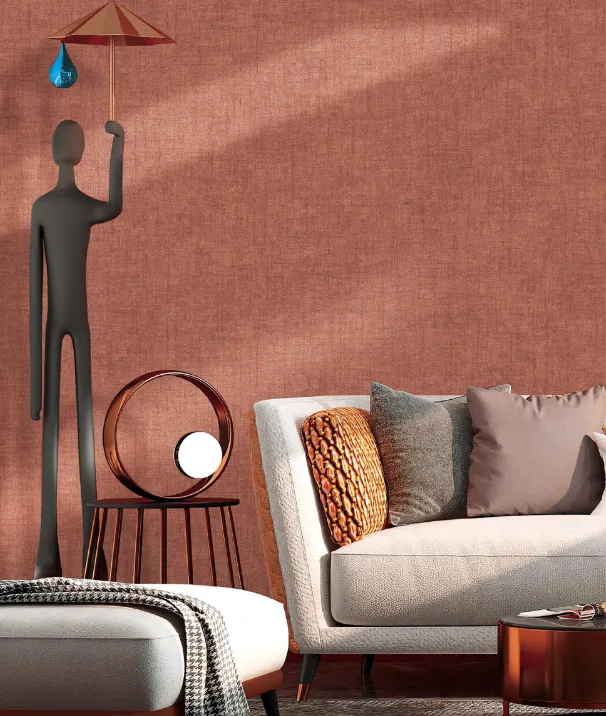
- Coastal beauty finds expression with Lucky Wave, shaping modern design and timeless artistry
- The Evolution of Fluid Forms in Design
- The Role of Digital Modeling
- Applications Across Diverse Industries
- Impact on Product Design
- The Material Palette of Coastal Inspiration
- Sustainability and Material Choices
- The Psychology of Flowing Spaces
- Beyond Aesthetics: A Sustainable Future in Design
Coastal beauty finds expression with Lucky Wave, shaping modern design and timeless artistry
The allure of the coast, with its dynamic interplay of water and light, has long captivated artists and designers. This fascination manifests in countless forms, but a particularly striking expression emerges with the concept of Lucky Wave. It’s a design philosophy rooted in capturing the natural fluidity and organic beauty inherent in ocean waves, translating that ephemeral quality into tangible creations. This aesthetic isn't simply about replicating wave forms; it’s about embodying the feeling of freedom, movement, and the peaceful energy associated with the sea.
Modern design often seeks to bridge the gap between natural inspiration and functional artistry. Lucky Wave provides a compelling framework for this pursuit, offering a versatile and elegant visual language. From architectural curves to textile patterns, and even digital interfaces, the influence of this aesthetic is becoming increasingly prevalent. It speaks to a desire for environments and objects that are both visually stimulating and emotionally resonant, promoting a sense of calm and connection to the natural world. This approach emphasizes subtlety and nuance, avoiding rigid geometry in favor of flowing lines and gentle undulations.
The Evolution of Fluid Forms in Design
The incorporation of fluid forms into design isn't a new phenomenon. Historically, architects and artisans have drawn inspiration from nature, but the specific interpretation of wave-like structures has evolved considerably. In the Art Nouveau period, for instance, organic motifs were prevalent, although often interpreted with a more stylized and decorative approach. The difference with the Lucky Wave aesthetic lies in its emphasis on authenticity and a more direct translation of natural wave dynamics. It's about understanding how a wave moves – its crests, troughs, and the interplay of light and shadow on its surface – and then subtly incorporating those principles into a design. This requires a detailed observation of natural systems and a willingness to embrace asymmetry and imperfection.
The Role of Digital Modeling
Advancements in digital modeling and fabrication techniques have been instrumental in bringing the Lucky Wave aesthetic to life. Software that allows designers to simulate fluid dynamics and generate complex curves has unlocked new possibilities for creating organic shapes. Previously, such forms would have been extremely difficult – if not impossible – to achieve through traditional methods. Moreover, these digital tools allow for iterative design processes, enabling designers to refine their creations and optimize them for both aesthetic appeal and structural integrity. The ability to visualize and test designs virtually significantly reduces material waste and speeds up the prototyping process, contributing to more sustainable and efficient design practices.
| Architectural Facade | Curvilinear panels mimicking wave crests |
| Furniture Design | Undulating surfaces and flowing lines |
| Textile Patterns | Rhythmic patterns resembling wave motion |
| Lighting Fixtures | Forms that diffuse light like water |
The emergence of parametric design, where algorithms define the shape and form of an object, has further accelerated the adoption of the Lucky Wave aesthetic. By inputting specific parameters related to wave behavior, designers can generate unique and complex designs that would be virtually impossible to create manually.
Applications Across Diverse Industries
The versatility of the Lucky Wave aesthetic makes it applicable across a wide range of industries. In architecture, it's influencing the design of coastal residences, public spaces, and even urban infrastructure. Buildings are increasingly incorporating curvilinear forms, mimicking the natural contours of the coastline and creating a sense of harmony with the surrounding environment. Similarly, in interior design, we're seeing a shift towards softer, more organic shapes – from rounded furniture to flowing wall treatments. The use of materials that evoke the feeling of water, such as glass, polished concrete, and translucent fabrics, further enhances the wave-inspired aesthetic. This design choice isn’t simply about aesthetics; it’s about crafting spaces that promote a sense of well-being and tranquility.
Impact on Product Design
Beyond architecture and interiors, elements of Lucky Wave are increasingly visible in product design. Consider the sleek curves of modern smartphones, the fluid lines of automotive designs, or the ergonomic shapes of consumer electronics. These designs are often subtly influenced by the principles of wave dynamics, prioritizing both form and function. The aim is to create products that are not only visually appealing but also comfortable and intuitive to use. The attention to detail, the smooth transitions between surfaces, and the overall sense of flow all contribute to a more positive user experience. Manufacturers are starting to see the value of incorporating these aesthetic principles into their design processes as a way to differentiate their products in a competitive marketplace.
- Emphasizes organic shapes and flowing lines.
- Promotes a sense of calm and tranquility
- Utilizes materials that evoke the feeling of water.
- Creates harmony between the built environment and nature.
- Enhances user experience through ergonomic design.
The adoption of this aesthetic isn’t limited to solely physical products. Digital interfaces are also being redesigned with wave-like motions and fluid animations to create a more engaging and user-friendly experience. These subtle design changes can significantly impact how users interact with technology and their overall perception of a brand.
The Material Palette of Coastal Inspiration
Successfully executing the Lucky Wave aesthetic relies heavily on the carefully selection of materials. Natural materials, such as wood, stone, and bamboo, lend themselves particularly well to this style, bringing a sense of warmth and authenticity to the design. However, modern materials like glass, polished concrete, and composite materials can also be used effectively to create sleek and contemporary interpretations of the aesthetic. The key is to choose materials that have a tactile quality and that reflect light in a way that mimics the shimmering surface of water. Color palettes typically draw inspiration from the coastal environment – shades of blue, green, and gray, often paired with neutral tones like sand and white.
Sustainability and Material Choices
A growing awareness of environmental sustainability is influencing material choices within the Lucky Wave aesthetic. Designers are increasingly opting for eco-friendly materials, such as reclaimed wood, recycled glass, and sustainably harvested bamboo. This not only reduces the environmental impact of the design but also adds a layer of authenticity and ethical consideration. The use of natural, breathable materials also contributes to healthier indoor environments, improving air quality and promoting well-being. The principles of circular design, where materials are reused and repurposed, are also gaining traction, further minimizing waste and promoting a more sustainable approach to design.
- Select natural materials like wood, stone and bamboo.
- Incorporate glass and polished concrete for sleek modern looks.
- Choose a color palette of coastal blues, greens and grays.
- Prioritize eco-friendly options such as reclaimed or recycled materials.
- Embrace circular design principles to minimize waste.
The integration of biophilic design principles – incorporating natural elements into the built environment – is another important aspect of material selection. By bringing the outdoors in, designers can create spaces that are more restorative and conducive to human well-being. This could involve incorporating living walls, indoor plants, or water features into the design.
The Psychology of Flowing Spaces
The appeal of the Lucky Wave aesthetic extends beyond mere visual appeal. There’s a psychological component at play, rooted in our innate connection to nature. The flowing lines and organic shapes evoke a sense of calm and tranquility, reducing stress and promoting relaxation. This is because our brains are wired to respond positively to natural patterns and forms. Studies have shown that exposure to natural environments can lower blood pressure, reduce anxiety, and improve cognitive function. The Lucky Wave aesthetic attempts to replicate these benefits within the built environment, creating spaces that are not only beautiful but also restorative. The absence of sharp angles and harsh edges contributes to a more harmonious and welcoming atmosphere.
The design’s emphasis on softening the boundaries between indoor and outdoor spaces further enhances this psychological effect. Large windows, open floor plans, and seamless transitions between interior and exterior environments create a sense of connection to the natural world. This sense of connection can be particularly beneficial in urban environments, where people often lack access to green spaces. The incorporation of natural light and ventilation also contributes to a healthier and more comfortable indoor environment.
Beyond Aesthetics: A Sustainable Future in Design
While the visual appeal of Lucky Wave is undeniable, its true potential lies in its ability to inform a more sustainable and human-centered approach to design. As we become increasingly aware of the environmental challenges facing our planet, there’s a growing need for designs that prioritize resource efficiency, reduce waste, and promote well-being. The principles underlying the Lucky Wave aesthetic – its emphasis on organic forms, sustainable materials, and connection to nature – align perfectly with these goals. It’s a design philosophy that encourages us to move away from rigid, boxy structures and towards more fluid, adaptable, and environmentally responsible designs.
Looking ahead, we can expect to see even more innovative applications of the Lucky Wave aesthetic, driven by advancements in materials science, digital fabrication, and a growing commitment to sustainability. Perhaps we’ll see self-healing building materials inspired by the regenerative properties of coral reefs, or adaptive structures that respond to changing environmental conditions like ocean currents. The possibilities are endless, and the future of design is undoubtedly intertwined with our ability to learn from and collaborate with the natural world. This design approach fosters a circular economy, and a deeper connection between people, their environments and the natural world around them.