
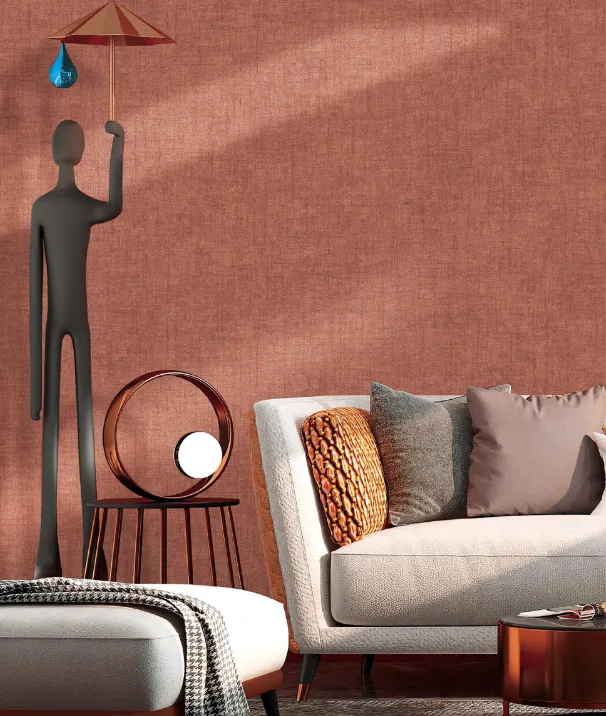
- Remarkable journeys through design with pavilion88 and innovative interior solutions
- The Art of Spatial Harmony: Defining the Design Philosophy
- The Role of Lighting in Interior Design
- Materiality and Texture: Building a Sensory Experience
- The Impact of Color Psychology
- Functionality and Flow: Designing for Seamless Living
- Ergonomics and Comfort: Prioritizing Human Well-being
- The Integration of Technology: Smart Homes and Beyond
- Sustainable Design Practices: Creating a Greener Future
Remarkable journeys through design with pavilion88 and innovative interior solutions
The world of interior design is constantly evolving, with fresh perspectives and innovative solutions emerging to shape the spaces we inhabit. Among the leading voices in this dynamic field is pavilion88, a design studio renowned for its commitment to creating exceptional and personalized environments. Their approach blends artistry with functionality, resulting in spaces that are not only visually stunning but also deeply resonant with the lives of those who use them. This dedication to holistic design has established them as a sought-after partner for clients seeking transformative interior experiences.
Understanding the nuances of contemporary design requires a grasp of shifting aesthetic preferences, technological advancements, and a commitment to sustainability. Clients are increasingly looking for designs that reflect their individual stories and values, moving away from standardized approaches. A successful design firm, like those providing services similar to pavilion88, must be adaptable, creative, and possess an acute understanding of how space impacts human well-being. This involves careful consideration of light, texture, color, and the overall flow of a space to create an atmosphere that is both inviting and inspiring. The best designs seamlessly integrate form and function, offering practical solutions without sacrificing aesthetic appeal.
The Art of Spatial Harmony: Defining the Design Philosophy
At the heart of effective interior design lies a profound understanding of spatial harmony. It’s not merely about arranging furniture; it’s about orchestrating a feeling, a mood, a sense of belonging within a space. Achieving this requires a delicate balance – a careful consideration of scale, proportion, and the interplay of different elements. Designers often begin by analyzing the architectural context of a space, identifying its strengths and weaknesses, and then developing a concept that builds upon its inherent character. The goal is to create a cohesive and unified design that feels natural and intuitive. This also means anticipating the practical needs of the occupants and incorporating solutions that enhance their daily lives.
The Role of Lighting in Interior Design
Lighting represents a pivotal element in achieving spatial harmony, often underestimated in its impact. Beyond illumination, effective lighting design can dramatically alter the mood and atmosphere of a room, highlight architectural features, and create visual interest. Layering different types of lighting – ambient, task, and accent – is crucial. Ambient lighting provides overall illumination, task lighting focuses on specific activities, and accent lighting draws attention to artwork or architectural details. Furthermore, the color temperature of the light plays a significant role; warmer tones create a cozy and inviting atmosphere, while cooler tones offer a more energizing and stimulating effect. Careful consideration of natural light integration is also essential, maximizing daylight whenever possible and supplementing it with artificial sources as needed.
| Ambient | Overall Illumination | Chandeliers, Recessed Lighting |
| Task | Specific Activities | Desk Lamps, Under-Cabinet Lighting |
| Accent | Highlight Features | Spotlights, Wall Washers |
The selection of appropriate fixtures, materials, and controls is critical for creating a successful lighting scheme. Smart lighting systems, offering dimming and color-changing capabilities, are becoming increasingly popular, allowing for greater customization and energy efficiency.
Materiality and Texture: Building a Sensory Experience
The choice of materials and textures plays a crucial role in shaping the sensory experience of an interior space. Materials not only contribute to the aesthetic appearance but also influence how we perceive the space – its warmth, coolness, softness, or hardness. Selecting the correct materials, therefore, goes beyond visual appeal; it encompasses tactile qualities, durability, and sustainability. Natural materials, such as wood, stone, and linen, often bring a sense of warmth and authenticity to a space, while more contemporary materials, like glass, metal, and concrete, can create a sleek and modern aesthetic. The successful integration of different textures – smooth, rough, matte, glossy – adds depth and visual interest, making the space more engaging and inviting.
The Impact of Color Psychology
Color psychology is a significant consideration when selecting materials and finishes. Different colors evoke different emotions and can influence our mood and behavior. Warm colors, such as reds, oranges, and yellows, tend to be energizing and stimulating, while cool colors, such as blues, greens, and purples, are more calming and relaxing. Neutral colors, like whites, grays, and beiges, provide a versatile backdrop for other colors and textures. Understanding these psychological effects allows designers to create spaces that align with the intended function and atmosphere. For example, a bedroom might benefit from calming blues and greens, while a home office could incorporate energizing yellows and oranges. The key is to create a harmonious color palette that complements the overall design concept.
- Consider the natural light in the space when selecting colors.
- Use color to create focal points and draw the eye to specific areas.
- Don't be afraid to experiment with different color combinations.
- Think about the psychological impact of each color.
The interplay of color and texture is fundamental to producing depth and richness, and a skilled designer understands how to harmonize these elements effectively.
Functionality and Flow: Designing for Seamless Living
Beautiful design is ultimately rendered ineffective if it doesn’t prioritize functionality and ease of living. A well-designed space should seamlessly support the daily routines and activities of its occupants. This involves careful consideration of traffic flow, storage solutions, and the placement of furniture and fixtures. Creating clear pathways and ensuring sufficient space for movement are essential for avoiding congestion and frustration. Integrated storage solutions, such as built-in shelving and concealed cabinets, help to minimize clutter and maximize space. The placement of furniture should encourage conversation and interaction, while also providing comfortable and functional zones for individual activities. A key goal of functional design is to create a sense of order and efficiency, making everyday tasks simpler and more enjoyable.
Ergonomics and Comfort: Prioritizing Human Well-being
Ergonomics, the study of efficiency in working environments, is essential in modern interior design. Prioritizing comfort and well-being is not just about aesthetics; it’s about creating spaces that support physical and mental health. This involves selecting furniture that provides proper support and alignment, ensuring adequate ventilation and lighting, and minimizing exposure to noise and pollutants. Adjustable furniture, such as ergonomic chairs and height-adjustable desks, can cater to individual needs and preferences. Careful consideration of acoustics is also crucial, using sound-absorbing materials to reduce noise levels and create a more peaceful environment. Ultimately, ergonomic design aims to create spaces that promote productivity, reduce stress, and enhance overall quality of life. Providers like pavilion88 place a high emphasis on these details.
- Analyze the user’s needs and activities.
- Select furniture that provides proper support.
- Ensure adequate ventilation and lighting.
- Minimize noise and pollutants.
Ignoring ergonomic principles can lead to discomfort, fatigue, and even long-term health problems, reinforcing the importance of a human-centered design approach.
The Integration of Technology: Smart Homes and Beyond
Technology has become increasingly integrated into the fabric of modern life, and interior design is no exception. Smart home technology offers a wealth of opportunities to enhance comfort, convenience, and energy efficiency. Automated lighting and temperature control systems, smart appliances, and integrated entertainment systems are just a few examples of how technology can transform the living experience. However, it’s important to integrate technology seamlessly into the design, avoiding a cluttered or overly complex aesthetic. The goal should be to use technology to enhance the space, not to dominate it. A skilled designer will understand how to incorporate technology in a way that is both functional and aesthetically pleasing, creating a smart home that is truly livable and enjoyable.
Consider the security implications of smart home technology and implement appropriate measures to protect privacy and data. Remember that this technology is as durable as its components and consider future integration with evolving systems.
Sustainable Design Practices: Creating a Greener Future
The growing awareness of environmental issues has led to a surge in demand for sustainable design practices. This involves selecting materials and finishes that are environmentally friendly, energy-efficient, and sourced responsibly. Using recycled and reclaimed materials, reducing waste during construction, and incorporating energy-saving features are all key aspects of sustainable design. Designing for longevity, creating spaces that can adapt to changing needs over time, is also a crucial consideration. The focus is not simply on minimizing environmental impact but also on creating healthier and more comfortable living environments. Sustainable design is not just a trend; it’s a fundamental shift in the way we approach the built environment. Investing in durable, responsibly sourced materials will ultimately lead to long-term cost savings and a reduced carbon footprint. The principles exemplified by companies such as pavilion88 help to shape a more conscientious future for interior design.
Embracing biophilic design – incorporating natural elements into the built environment – can further enhance the well-being of occupants and create a stronger connection to the natural world. This might involve incorporating plants, natural light, and organic materials into the design.